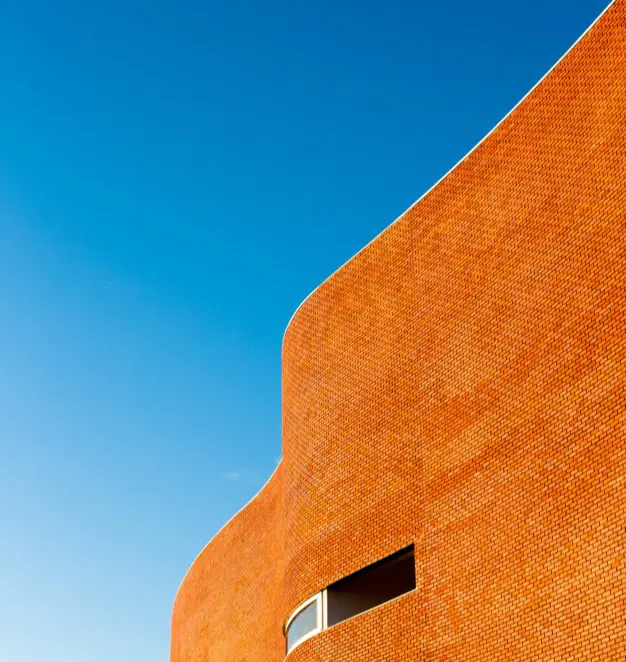
- Distinct echoes from history resonate through pavilion 88 and modern design principles
- Architectural Inspirations and the Expo Legacy
- The Influence of Buckminster Fuller
- Materials and Construction Techniques
- The Role of Pre-Fabrication
- The Social and Cultural Impact of Pavilions
- Pavilions as Spaces for Dialogue
- Modern Interpretations and Adaptive Reuse
- Beyond the Structure: The Enduring Symbolism
Distinct echoes from history resonate through pavilion 88 and modern design principles
The name «pavilion 88» carries a certain weight, a resonance of past events and architectural ambitions. It evokes images of world expositions, grand displays of innovation, and moments where nations presented their visions of the future. While the specific context of a “pavilion 88” can vary – it might refer to a particular structure at a specific expo, or it might have come to represent a style or era of pavilion design – the term itself suggests a space dedicated to presentation, communication, and the celebration of human achievement. Understanding the historical and cultural significance of pavilions is key to appreciating the lasting impact structures like pavilion 88 can have.
Pavilions, as architectural forms, have a long and storied history, often serving as temporary showcases for trade, culture, and technological advancements. They are designed to attract attention, to inspire awe, and to leave a lasting impression on visitors. The design principles employed in their construction often reflect the prevailing aesthetic trends of the time, incorporating new materials and construction techniques. The legacy of these structures extends beyond their immediate functionality; they often become symbols of their era, influencing subsequent architectural designs and reflecting societal values. Modern interpretations of the pavilion concept continue to emerge, adapting to contemporary needs and technological possibilities.
Architectural Inspirations and the Expo Legacy
The architectural style of many pavilions, including those potentially represented by «pavilion 88», draws heavily from the modernist movement. This is characterized by clean lines, geometric shapes, and a focus on functionality. Architects of the mid-to-late 20th century embraced materials like glass, steel, and concrete, allowing for the creation of expansive, open spaces. The desire was frequently to express optimism about the future and the power of technology. Pavilions built for international expositions were particularly important in showcasing these trends on a global stage. They also often involved collaboration between many international designers and construction teams. The resulting structures were often innovative and experimental. The goal was to produce spaces both beautiful and symbolic.
The Influence of Buckminster Fuller
The work of Buckminster Fuller, and his development of the geodesic dome, had a significant impact on pavilion design. Domes offered a structurally efficient way to enclose large spaces with minimal material, and they lent themselves well to the creation of visually striking forms. Fuller’s ideas about sustainability and resource efficiency also resonated with the ethos of many expos, which aimed to promote a positive vision of the future. His concepts made their way into many iconic exposition pavilions. Many of the designs were attempts to provide affordable and readily available housing options. The geodesic dome became a symbol of futuristic architecture and engineering, and continues to inspire designers today.
| Geometric Forms | Modernism |
| Use of Glass and Steel | International Style |
| Dome Structures | Buckminster Fuller’s Geodesic Designs |
| Open Floor Plans | Functionalism |
The impact of expos on architectural development is hard to overstate. Not only did they provide a platform for showcasing new designs, they also drove innovation in building materials and construction techniques. The challenges of building temporary structures that were both visually impressive and structurally sound led to the development of new engineering solutions. And these solutions often found applications in other areas of construction. The resulting legacy continues to influence architectural design today.
Materials and Construction Techniques
The selection of materials played a crucial role in the design and construction of pavilions. Steel, with its high strength-to-weight ratio, allowed for the creation of large, open spaces without the need for extensive internal supports. Glass provided abundant natural light and offered panoramic views, further enhancing the sense of openness and transparency. Concrete, known for its durability and versatility, was used for foundations, walls, and floors. The use of prefabricated elements, such as steel frames and concrete panels, helped to speed up the construction process and reduce costs. These construction methods were well suited to the often tight timelines associated with exposition preparations. The focus shifted toward innovative construction materials and techniques.
The Role of Pre-Fabrication
Pre-fabrication played an increasingly important role in pavilion construction, particularly during the latter half of the 20th century. This involved manufacturing building components in a factory and then assembling them on site. Pre-fabrication offered several advantages, including increased speed, reduced labor costs, and improved quality control. It also allowed for greater design flexibility, as components could be customized to meet specific project requirements. The use of modular construction techniques further enhanced the efficiency of the process, enabling the rapid assembly of complex structures. This type of construction has seen a resurgence in recent years, as developers seek more sustainable and cost-effective building methods.
- Steel Frame Construction: Provided structural support and allowed for large spans.
- Glass Curtain Walls: Allowed for natural light and expansive views.
- Pre-fabricated Concrete Panels: Expedited construction and ensured quality.
- Lightweight Roofing Materials: Reduced the overall weight of the structure.
- Innovative Fastening Systems: Enabled rapid assembly and disassembly.
The combination of these materials and techniques resulted in pavilions that were not only aesthetically pleasing but also structurally sound and efficient to build. These innovations in construction offered new possibilities for architectural expression and helped to shape the landscape of modern architecture.
The Social and Cultural Impact of Pavilions
Pavilions are more than just buildings; they are cultural artifacts that reflect the values, aspirations, and anxieties of the societies that create them. The themes explored within their walls often provide insights into the prevailing social and political climate of the time. Expositions, in particular, have served as platforms for promoting national identity and showcasing cultural achievements. Pavilions have been used to celebrate artistic expression, scientific discoveries, and technological innovations. They have also been used to address social issues, such as poverty, inequality, and environmental degradation. The lasting impact of these structures extends beyond their immediate physical presence. They act as points of historical and cultural significance.
Pavilions as Spaces for Dialogue
Pavilions can also serve as spaces for dialogue and exchange, bringing together people from different cultures and backgrounds. Expositions provide opportunities for international collaboration and the sharing of ideas. Pavilions can foster a sense of global community and promote understanding between nations. They also can present diverse points of view. The open and inviting atmosphere of many pavilions encourages visitors to engage with different perspectives and broaden their horizons. This can lead to increased empathy and a greater appreciation for cultural diversity.
- Promote International Collaboration
- Foster Cultural Exchange
- Showcase National Identity
- Provide Spaces for Dialogue
- Encourage Understanding
The social and cultural impact of pavilions should not be underestimated. They are powerful symbols of human creativity, innovation, and the desire to connect with others. Their legacy continues to inspire and inform our understanding of the world around us.
Modern Interpretations and Adaptive Reuse
The concept of the pavilion has evolved in recent years, adapting to changing needs and technological advancements. Contemporary pavilions often incorporate sustainable design principles, utilizing renewable energy sources and environmentally friendly materials. They may also feature interactive exhibits, immersive technologies, and digital displays. The focus has shifted from simply showcasing products and technologies to creating engaging and memorable experiences for visitors. These structures are viewed as dynamic spaces for education, entertainment, and social interaction. The emphasis is on creating spaces that are both functional and aesthetically pleasing. This is coupled with a commitment to sustainable practices.
Adaptive reuse of existing pavilions is also becoming increasingly common. Rather than demolishing old structures, architects and developers are finding creative ways to repurpose them for new uses. A former exposition pavilion might be transformed into a museum, a cultural center, a community space, or even a commercial complex. This approach not only preserves architectural heritage but also reduces waste and minimizes the environmental impact of new construction. It’s a strategy that demonstrates both creative problem-solving and a commitment to sustainability.
Beyond the Structure: The Enduring Symbolism
Even after an exposition closes and pavilions are dismantled or repurposed, their influence continues to resonate. The designs, the materials used, and the ideas they represented often leave a lasting mark on the architectural landscape and the collective consciousness. The concept of «pavilion 88», or any specific pavilion, can become a touchstone for a particular era, representing a specific set of values or aspirations. These structures serve as reminders of past achievements and inspire future innovation. Their open, welcoming forms symbolize a spirit of inclusivity and dialogue.
Considering the adaptive reuse of these structures presents a unique opportunity to preserve a tangible connection to the past while simultaneously creating spaces that serve contemporary needs. By thoughtfully integrating these architectural relics into the modern urban fabric, we can ensure that their legacy continues to inspire and enrich our lives for generations to come. The story of a «pavilion 88» is more than just a tale of bricks and mortar; it's a narrative of human ingenuity, cultural exchange, and the enduring power of architecture to shape our world.
 Hungarian
  German
  English